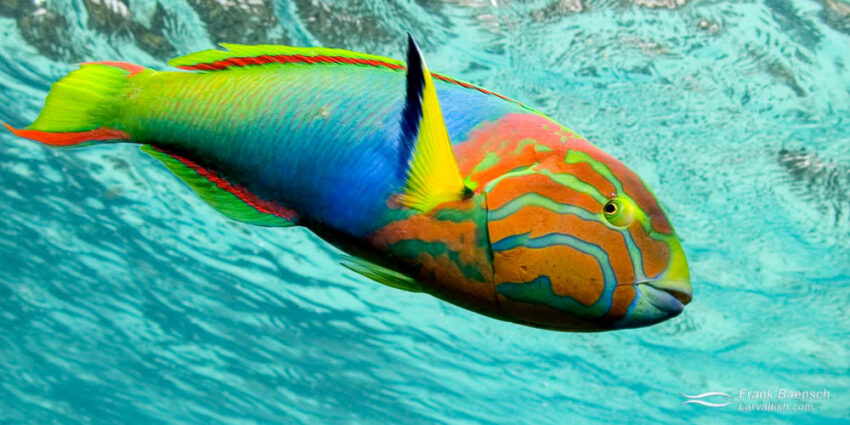
Wrasses are brightly colored marine fish that belong to the family Labridae. 🌊🐠
They are well-known for:
- Vibrant Colors – Many wrasses display dazzling blues, greens, reds, and yellows, making them popular in aquariums.
- Variety of Species – There are over 600 species of wrasses, ranging in size from just a few centimeters to more than 2 meters.
- Interesting Behavior – Some wrasses bury themselves in sand at night, while others act as “cleaner fish,” eating parasites off larger fish.
- Habitat – Found mostly in tropical and subtropical oceans, especially around coral reefs.
- Shape – They usually have elongated bodies with pointed mouths, adapted for picking small prey like crustaceans and mollusks.
✨ Famous colorful types include:
Banana Wrasse (Thalassoma lutescens) – bright yellow and green.
Cleaner Wrasse (Labroides spp.) – small, blue-striped fish that clean parasites.
Six-line Wrasse (Pseudocheilinus hexataenia) – purple with orange lines.
Fairy Wrasses (Cirrhilabrus spp.) – extremely vibrant and popular in reef aquariums.
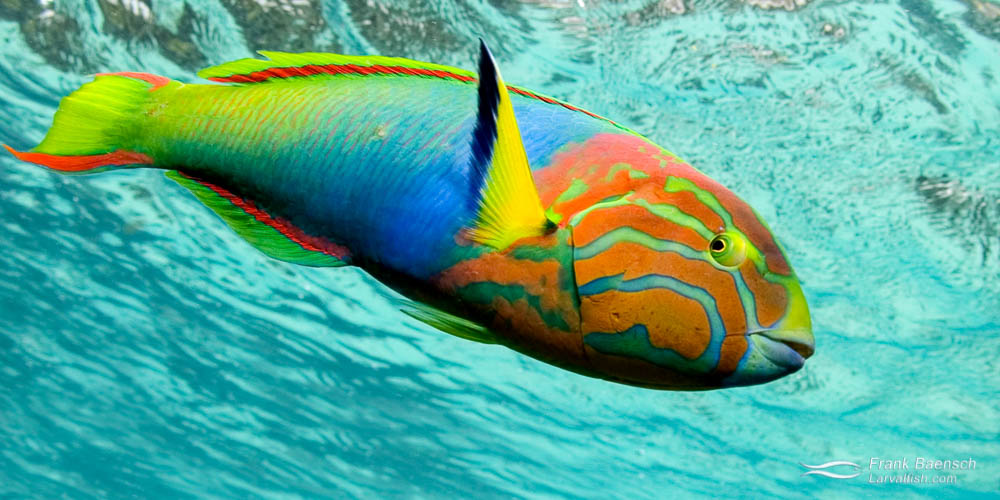
Life of Wrasses (Colorful Marine Fish)
Wrasses are some of the most colorful and active fish found in saltwater reefs. Their life is fascinating because of their behavior, diet, habitat, and even gender-changing ability.
🌊 1. Habitat (Where They Live)
- Wrasses live in tropical coral reefs around the world.
- They hide in rocks and corals for protection.
- Smaller species stay close to the reef; larger wrasses swim in open coral areas.
🎨 2. Appearance (Colors & Patterns)
Wrasses are famous for their bright colors:
- Blue, green, red, yellow, purple, striped or spotted.
- Colors change with age, mood, or mating season.
- Some species look completely different as juveniles.
🍤 3. Diet (What They Eat)
Wrasses are carnivores and eat:
- Small insects
- Worms
- Shrimp
- Snails
- Parasites from other fish
Many wrasses are called “cleaner fish” because they clean parasites from bigger fish.
👀 4. Behavior
- Extremely active swimmers.
- Always searching for food on the reef.
- Very intelligent and curious.
Sleeping Habit
- Many wrasses bury themselves in sand at night for protection.
- Some create a mucus cocoon to mask their smell from predators.
🔄 5. Gender Changing Ability
One of the most unique things about wrasses:
They can change their gender!
- Many wrasses are born female.
- The strongest female can become a male later in life.
- This happens when the dominant male dies or disappears.
This is called Sequential Hermaphroditism.
🐟 6. Lifespan
- Small wrasses live 3–5 years.
- Larger species may live up to 20 years.
- The famous Humphead Wrasse can live 30+ years.
🧠 7. Importance to the Reef
Wrasses help keep reefs clean by:
- Removing parasites
- Eating harmful species
- Controlling small pest populations
They are essential for a healthy reef ecosystem.